

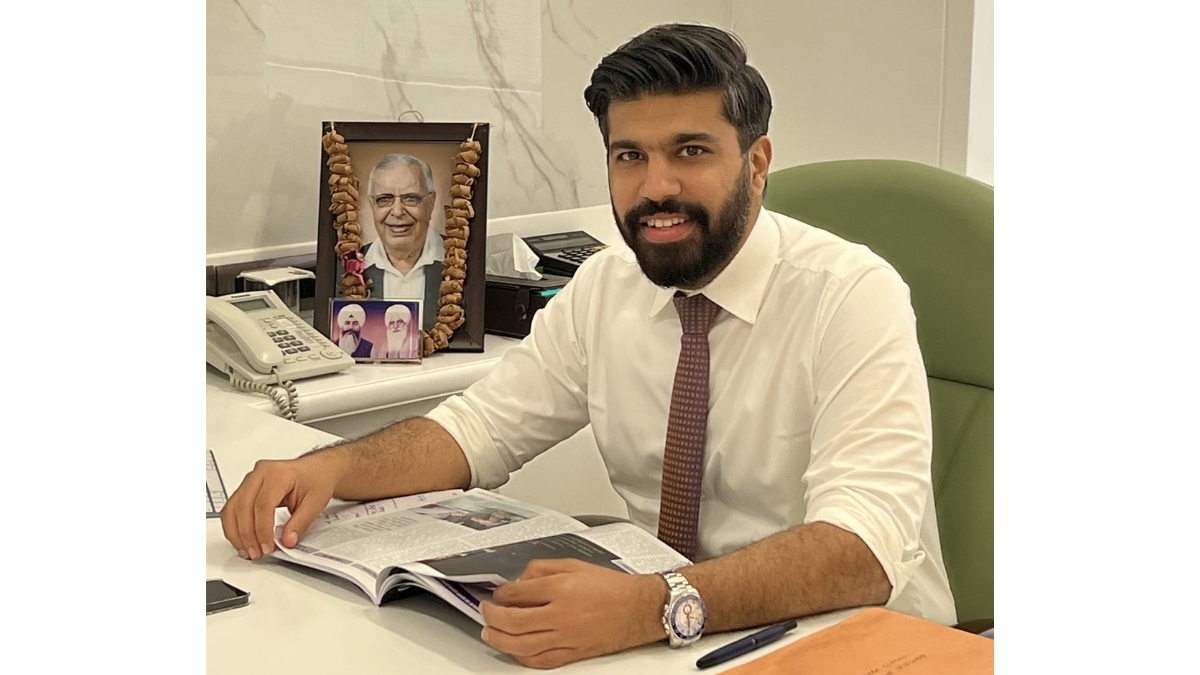
Hira Ludhani, Director, Evershine Group
Mumbai (Maharashtra) [India], January 22: Mumbai and its suburbs are heading into 2026 with a noticeable change in how real estate is approached. The focus today is on steady capital management, clear approvals, and dependable execution. This phase is shaped less by speculation and more by measured planning, alert buyers, and disciplined funding. Demand is visibly leaning toward projects that serve real needs rather than loud promotion.
India continues to attract strong interest from global investors. Colliers expects institutional investments to remain firm through 2026 as international capital looks at India for stability and long-term value. This confidence naturally flows into Mumbai, where real estate demand is supported by consistent economic output.
Residential Demand Is Led by Real Users
Housing demand across Mumbai’s suburbs is now firmly led by end users. Buyers are paying close attention to daily convenience, transport links, construction quality, and legal clarity. Homes that are compact, well planned, and well connected continue to see steady interest. The pattern of bulk speculative buying has reduced, making room for more thoughtful decisions.
This shift has also raised expectations from developers. Project timelines, construction quality, and post-possession performance now directly influence market trust. Developments that remain open in communication and consistent in delivery continue to move well, even when lending conditions are tight.
Institutional Capital Is Raising the Bar
Industry estimates suggest institutional investments are likely to stay in the range of 5 to 7 billion dollars annually through 2026. This steady flow of capital is refining how projects are assessed and financed. Beyond land size, funding decisions now rest heavily on governance standards, compliance strength, and financial discipline.
In Mumbai and nearby suburbs, this translates into higher accountability. Developers associated with institutional funding follow tighter reporting norms and layered risk checks. For buyers and investors, this brings added confidence and stronger safeguards.
Commercial Strength Adds Balance
Commercial real estate remains a steady support for the Mumbai market. Office demand continues across major business zones, driven by sustained hiring in financial services, technology, and global operations. Hybrid work has not reduced the relevance of well-located office spaces in key commercial districts.
The stable performance of commercial assets adds depth to mixed-use developments and balanced investment portfolios. Investors looking at long-term positions benefit from dependable rental income alongside residential sales.
Execution Now Holds the Spotlight
As the market moves toward 2026, reputation is increasingly built on delivery rather than promotion. Sales traction now follows how well projects are executed. Delays are met with direct resistance from buyers, while developments that stay on schedule gain quicker acceptance even in crowded micro markets.
This has encouraged sharper planning across approvals, procurement, and construction cycles. The market today places greater weight on delivery records than on advertising reach.
What You Should Keep in Focus
For homebuyers, daily connectivity, municipal clearances, past possession performance, and the financial health of the developer should remain at the top of the checklist. For investors, rental visibility, sales momentum, and funding structure continue to be key measures.
As Mumbai approaches 2026, growth remains well supported. What has changed is the manner in which this growth is now guided by financial discipline, informed decision-making, and delivery standards. This environment favours steady performers and filters out excess.
