

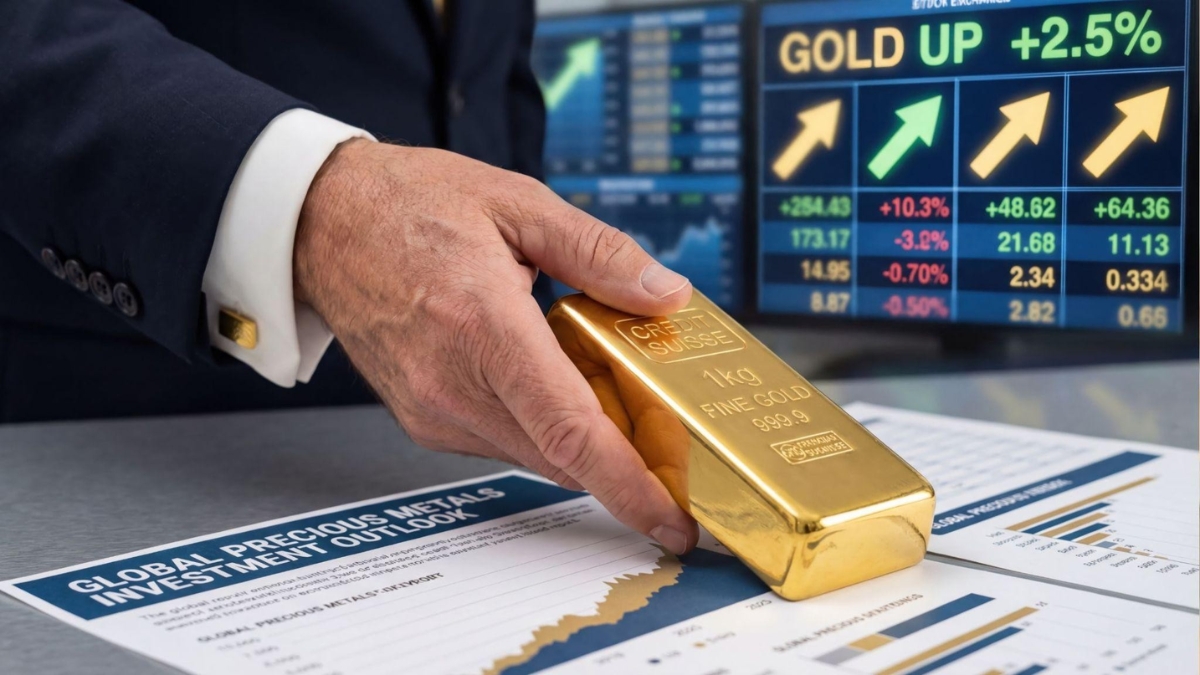
New Delhi [India], May 29: When people talk about gold in India, the conversation usually stays personal. It is about family savings and the comfort of owning something tangible. But there is a bigger story that runs in the background. Every time demand for imported gold rises, it affects far more than jewellery counters and household budgets. India’s gold import trends also shape how much foreign currency leaves the country, and that has a direct relationship with forex reserves.
Forex reserves act like a national financial cushion. They help the country manage external shocks, support the rupee, and pay for essential imports. Gold, unlike crude or machinery, does not fuel factories or transport goods, yet it takes up a meaningful share of foreign exchange when demand spikes.
Why Imports Matter More Than They Seem
If you look closely at India’s import-export data, one pattern stands out: gold regularly remains among the country’s major import items. This matters because India consumes far more gold than it produces.
- Domestic demand often leans on overseas supply. So when imports swell, dollars move out. The connection may not feel obvious to an average buyer comparing necklaces in a showroom, but at the national level, repeated spikes in gold imports can widen pressure on the current account and indirectly influence currency stability.
- That is also why the import of gold in India is often discussed in policy circles with unusual seriousness. Governments do not see gold only as a luxury purchase; they see it as a drain on foreign exchange when buying habits tilt too heavily toward fresh imports.
- Add the import duty on gold on top of it, and the picture becomes even more layered. Duty is used partly to moderate demand and protect the external balance, but higher duties can also make legal imports more expensive for consumers. The result is a market where buyers still want value, but they start looking for smarter ways to access it.
The Quiet Rise Of Exchange-Led Buying
More families are beginning to view old jewellery not as dead locker stock, but as usable value. A chain that is broken or a piece bought years ago and rarely worn can become the starting point for a new purchase.
- Gold Exchange reduces the need to buy entirely fresh gold. At a country level, if that mindset widens across millions of households, it can soften the relentless dependence on new supply that drives gold import in India.
- The idea is simple, but trust is what decides whether people actually exchange. For years, many buyers hesitated because they were unsure how their old jewellery would be valued. Questions around purity, melting loss, hidden deductions, or inconsistent pricing kept them cautious.
- If exchange feels confusing, people go back to buying new things. If it feels fair and visible, the same customer becomes more comfortable recycling existing gold jewellery within the market instead of adding to demand for imported supply.
What Makes Exchange Feel Worth It
A good exchange experience is not about flashy promises; it is about clarity. People want to know how much their ornament weighs, how purity is checked, whether stones are separated properly, and whether deductions are being made quietly in the background. They also want assurance that jewellery bought elsewhere will not be undervalued just because it came from another store. When those basics are handled well, exchange stops feeling like a compromise and starts feeling like a financially sensible decision.
This is where Tanishq has managed to set a strong benchmark without needing to make the process confusing.
- The exchange happens transparently, with testing, weighing, and melting done in front of the customer’s eyes rather than behind closed doors.
- Old jewellery from other jewellers is also accepted, even in cases where the original bill is unavailable, which removes a common barrier for many households.
- More importantly, the valuation process is designed to feel visible and understandable, especially with the gold selling rate being the same as the exchange rate. In a category where suspicion can easily creep in, that kind of openness changes the tone of the entire transaction[1].
A Smarter Answer For Buyers And The Economy
There is a wider lesson here. The debate around the gold import duty in India in 2026 will probably continue, because policymakers will always have to balance consumer demand, revenue, and external stability. But duty alone cannot reshape behaviour. What changes behaviour is convenience backed by trust. If more consumers choose exchange over fresh purchase wherever possible, the pressure created by repeated import surges can ease at least at the margin.
For the customer, the logic is even more immediate. Exchange lets old value re-enter use instead of sitting idle. For the market, it encourages recycling over unnecessary fresh demand. The most sensible future may not be one where Indians buy less gold, but one where they buy more thoughtfully.
Disclaimer: This press release is for informational purposes only and does not constitute financial advice.
