

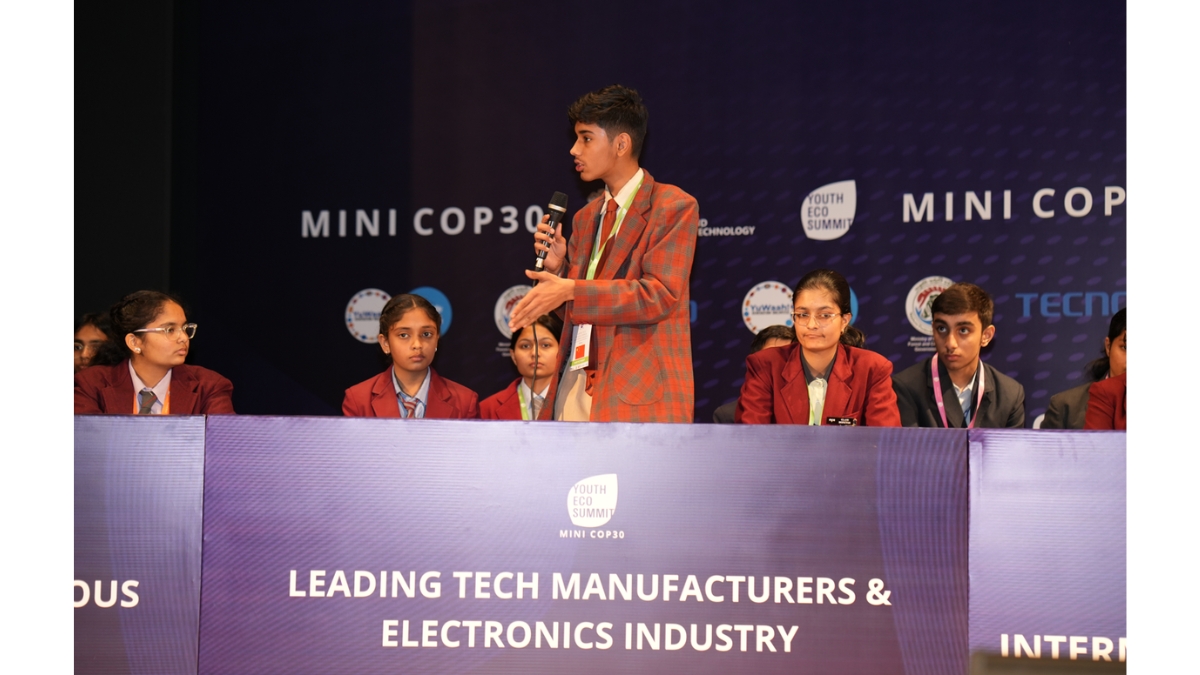
Jaipur (Rajasthan) [India], January 28: Every new phone, laptop, or app update promises convenience and progress. But very rarely do we stop to ask where these devices come from, where they end up, and who bears the environmental and social cost of our digital habits. From rising e-waste and unsustainable mining to the growing energy footprint of Artificial Intelligence, the impact of technology today extends far beyond our screens.
It is this question that MiniCOP30, an initiative by the Bajaj Foundation, set out to explore.
Notably, the Mini-COP stood out as India’s first localised youth-focused climate simulation dedicated entirely to the intersection of electronic waste and artificial intelligence, offering a first-of-its-kind space for young leaders to shift the conversation from awareness to action.
MiniCOP30 is a student simulation inspired by the Conference of the Parties (COP) model, designed to mirror how global climate negotiations take place, while giving young people the space to dialogue, negotiate, and collectively shape solutions around sustainability and justice.
Through discussion and dialogue, youth delegates adopted a collective resolution calling for immediate action on the environmental and social impact of electronics and artificial intelligence. Participants agreed that circularity must sit at the heart of the electronics lifecycle, with products designed for durability, repair, reuse, and safe recycling. Students stressed that countries must take responsibility for the electronic waste they generate, strengthening domestic recycling systems instead of exporting waste to vulnerable regions.
A key focus of the Mini-COP was the protection and formalisation of informal e-waste workers. Delegates called for access to training, healthcare, fair wages, legal aid, and alternative livelihoods for those working in unsafe and unregulated conditions. They also urged greater transparency and accountability from mining and electronics corporations including public disclosure of environmental and social impacts and responsibility for ecological restoration.
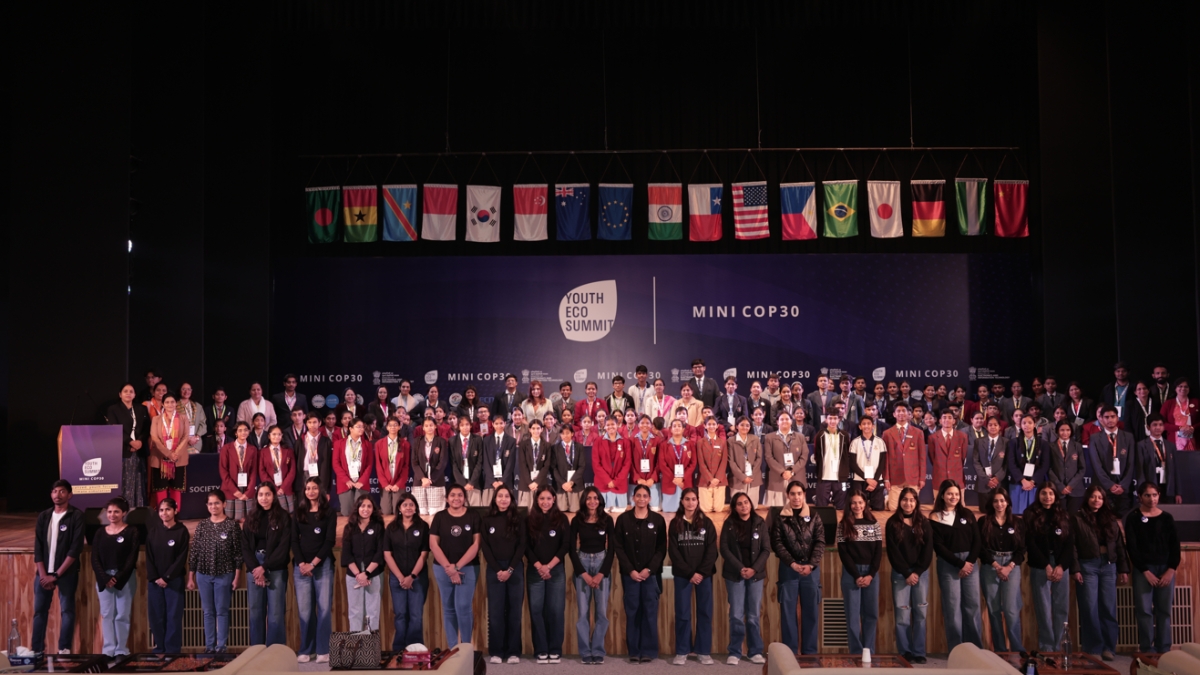
Discussions also centred on Responsible Artificial Intelligence. Students called for the adoption of energy-efficient, low-carbon AI practices, transparent AI policies, protection of indigenous and marginalised communities, and meaningful inclusion of youth in AI governance and decision-making.
Reflecting on the experience, a student delegate shared, “It’s a huge honour to be here, to discuss these topics and hear different viewpoints on how these issues are developing in the countries we represent.” Another participant added that “ecological travesty is a huge issue in today’s everyday life,” and expressed excitement about discussing how these challenges can be addressed.
Educators echoed the optimism in the room. A teacher from Maharani Gayatri Devi Girls’ School, Jaipur, noted, “The energy and enthusiasm of the participants were incredible. Students presented thoughtful ideas on tackling e-waste, a major threat not just to India as a fast-developing nation, but to developed countries worldwide. These young ambassadors and global citizens give me hope that real solutions are possible.”
The MiniCOP30 concluded with a shared belief that technology, sustainability, and justice must move forward together, and that governments, industry, and young people all have a role to play in shaping a more responsible future.
For more information, visit thebajajfoundation.org
If you object to the content of this press release, please notify us at pr.error.rectification@gmail.com. We will respond and rectify the situation within 24 hours.
