

New Delhi [India], April 03: The 61st session of the United Nations Human Rights Council (UNHRC), held in Geneva from 23 February to 31 March 2026, took place against a backdrop of escalating global tensions, ongoing armed conflicts, and widening inequalities that continue to strain the international human rights framework. The session brought together representatives from over 100 countries, multilateral organizations, and civil society actors to deliberate on emerging and persistent human rights challenges.
This session was marked by a strong emphasis on the intersectionality of human rights with contemporary global issues. Key thematic priorities included disability rights, children’s rights, minority protection and the integration of human rights into peacebuilding and sustainable development frameworks. Discussions also explored the implications of digital technologies, particularly in safeguarding rights and addressing harmful practices, alongside deliberations on financing sustainable development aligned with economic, social, and cultural rights. Environmental human rights emerged as a central pillar, with growing recognition of the right to a clean, healthy, and sustainable environment. Dialogues underlined the need for stronger governance mechanisms, climate action, and community-led conservation approaches. Simultaneously, the session reflected broader geopolitical concerns, including democratic backsliding, shrinking civic space, and the challenges to international law in a fragmented global order.
Integrated interventions
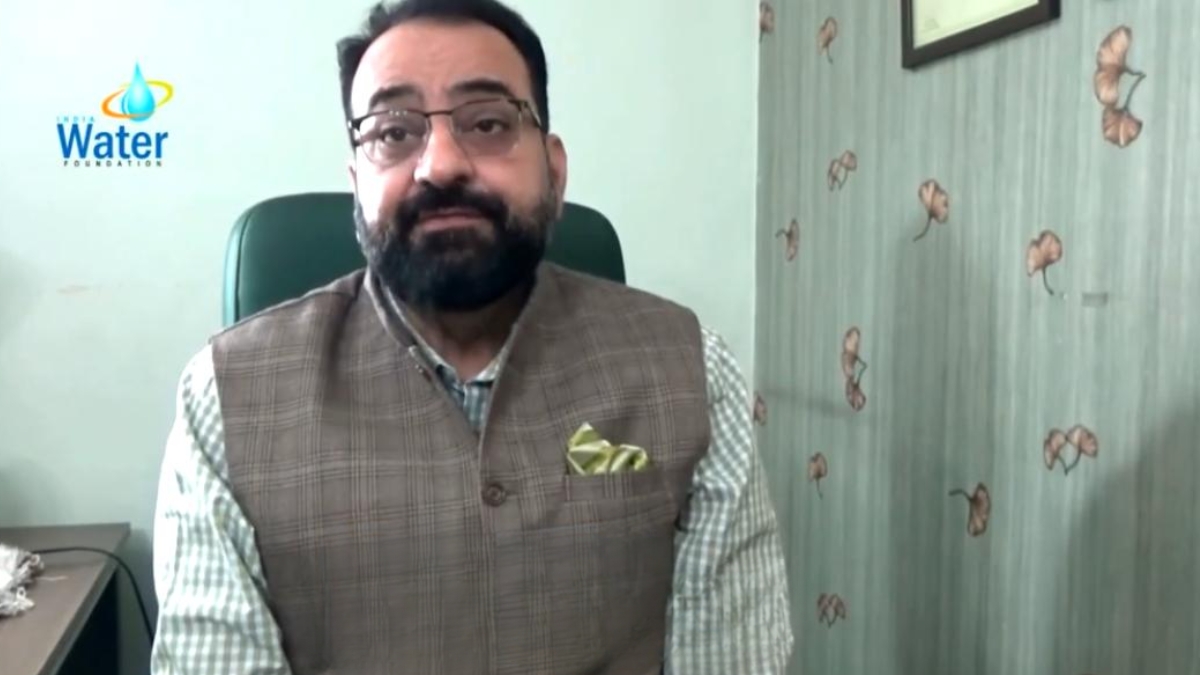
Within this evolving global context, the India Water Foundation (IWF) was given the opportunity to represent its perspectives across five thematic interventions, reflecting a coherent and interwoven approach to rights-based governance. Articulating this perspective, Dr. Arvind Kumar, President, India Water Foundation, brought attention to the evolving dimensions of rights in the digital era, emphasizing privacy as a fundamental right and highlighting India’s legislative progress through the Digital Personal Data Protection Act. He underscored the importance of accountability, lawful data processing, and institutional oversight in building a trusted digital ecosystem that balances innovation and economic growth with the protection of individual dignity.
Dr. Kumar further situated these perspectives within the broader framework of inclusion and equity, addressing minority issues through a multi-dimensional lens rooted in constitutional guarantees of equality, non-discrimination, and cultural freedom. By emphasizing targeted interventions in education, skill development, and financial inclusion, he reinforced the importance of addressing structural inequalities while promoting social cohesion and participatory governance. Across these contributions, a consistent narrative emerged one that recognizes human rights as an interconnected ecosystem where democratic participation, environmental stewardship, cultural continuity, digital accountability, and social justice are mutually reinforcing rather than discrete domains.
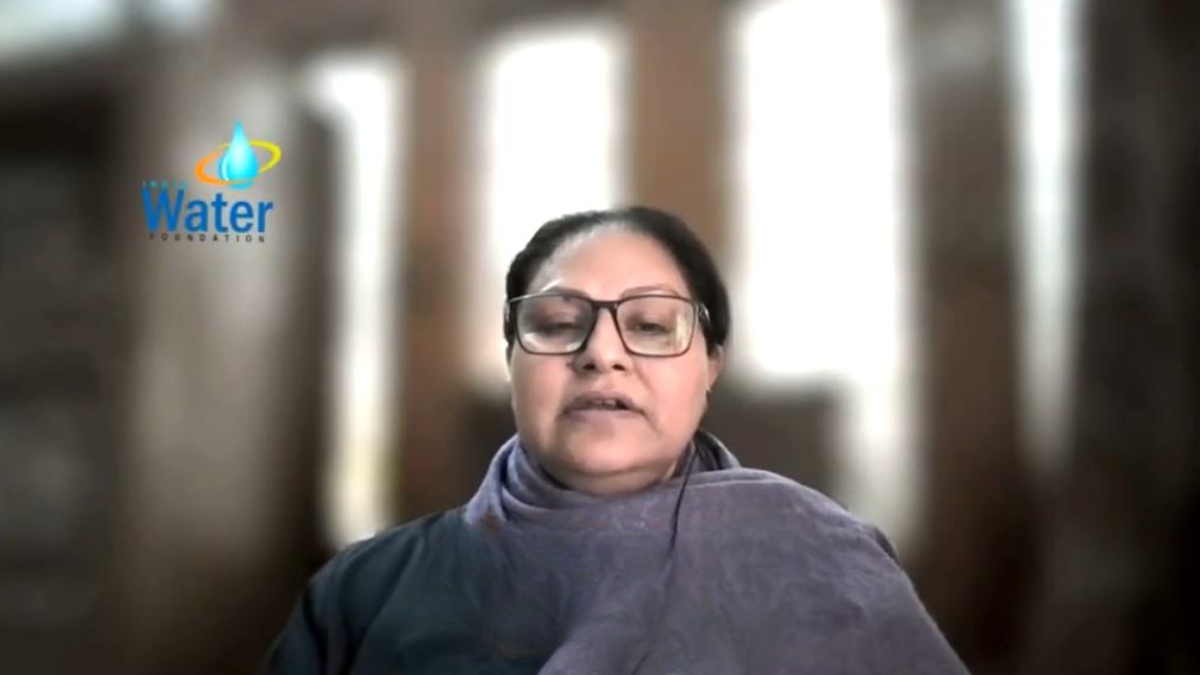
Complementing this, Ms. Shweta Tyagi, Chief Functionary, India Water Foundation, emphasized the importance of inclusive democratic participation, particularly for persons with disabilities, situating accessibility and dignity as essential to political rights. Drawing on India’s legislative framework under the Rights of Persons with Disabilities Act, 2016, she highlighted how measures such as accessible voter registration, Braille-enabled voting systems, and home voting provisions exemplify efforts to operationalize equality within democratic processes. This focus on inclusion extended seamlessly into her articulation of cultural and environmental rights, where she underscored the intrinsic link between nature and cultural identity, reflected in traditional knowledge systems, sacred landscapes, and community-led conservation practices supported by the Forest Rights Act and global commitments under the Convention on Biological Diversity.
Reinforcing the interconnectedness of these themes, Ms. Tyagi further highlighted environmental governance as integral to the realization of fundamental rights, particularly in the context of clean air and public health. She pointed to India’s science-based and multi-pronged approach to addressing air pollution through initiatives such as the National Clean Air Programme, alongside the expansion of renewable energy and cleaner technologies, demonstrating how environmental sustainability, economic development, and social well-being must advance in tandem.
Conclusion
With the overarching direction of the UNHRC, particularly at a time when the global human rights framework is under visible strain due to ongoing conflicts, geopolitical fragmentation, and weakening multilateral consensus, the session underscored the urgency for constructive and solution-oriented engagement. In this challenging context, India Water Foundation effectively represented India’s continued commitment to inclusive, rights-based, and sustainable development approaches, bringing forward national experiences as part of a broader global dialogue. Its interventions reinforced the importance of balancing development with human dignity, environmental stewardship, and digital accountability, thereby contributing to a more integrated and forward-looking discourse.
If you object to the content of this press release, please notify us at pr.error.rectification@gmail.com. We will respond and rectify the situation within 24 hours.
