

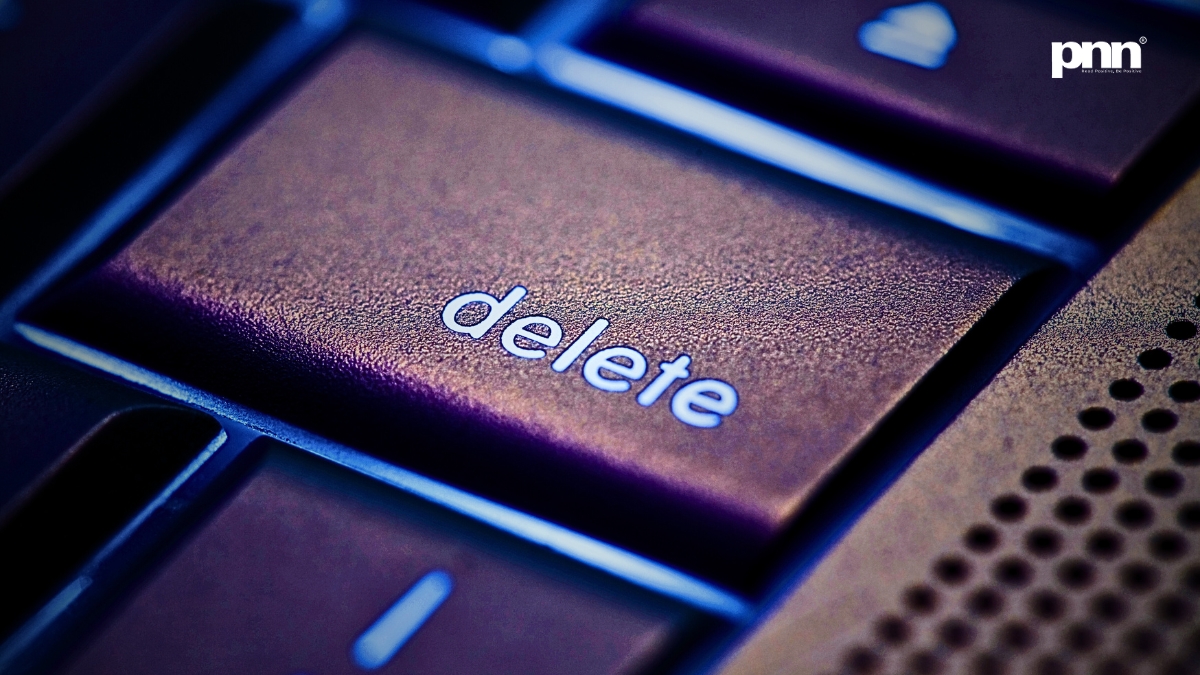
Mumbai (Maharashtra) [India], December 19: At some point, streaming promised permanence. A digital utopia where films and shows would live forever, immune to dust, decay, and the indignity of late-night reruns. Watch anytime. Anywhere. Always.
That promise has quietly expired.
Streaming platforms are cutting content—not dramatically, not with announcements or apologies—but with the soft efficiency of an accountant closing tabs. One day, a show exists; the next, it doesn’t. No farewell banner. No warning. Just absence. And audiences are left wondering whether they imagined it in the first place.
This isn’t chaos. It’s a strategy. And like most strategies born in boardrooms, it’s being executed with impeccable calm and minimal sentiment.
The Moment Streaming Stopped Pretending To Be A Library
For years, platforms marketed themselves as cultural vaults. Endless choice. Infinite back catalogue. The digital version of owning everything without owning anything.
But libraries cost money to maintain. And streaming, now firmly in its profitability phase, has rediscovered a truth as old as cinema itself: content is an asset only as long as it earns.
Residual payments, licensing renewals, music rights, backend deals—every title sitting on a platform quietly accumulates cost. When subscriber growth slowed, and investor patience thinned, sentimentality was the first line item to go.
Deleting content, it turns out, is cheaper than defending it.
Why Shows Are Disappearing Without Warning
The removals aren’t random. They’re calculated.
Mid-performing originals. Niche series with loyal but small audiences. Films that did their initial engagement numbers and then settled into quiet obscurity. These titles don’t drive new subscriptions, but they still trigger ongoing payouts.
From a financial perspective, cutting them is efficient. From a cultural perspective, it’s unsettling.
What’s new isn’t content rotation—television has always done that. What’s new is the lack of physical fallback. No DVDs in circulation. No syndication safety net. When a platform deletes a title, it often vanishes entirely.
Not cancelled. Not archived. Just gone.
The Illusion Of Ownership Finally Cracks
Audiences are now confronting an uncomfortable truth: streaming never meant ownership. It meant access—temporary, conditional, revocable.
You didn’t buy that show. You rented it indefinitely, until someone changed their mind.
This challenges a decade of consumer habits. People curate watchlists, recommend series,and build cultural memory around titles that may not exist next year. In the physical era, scarcity was the enemy. In the digital era, volatility is.
The psychological shift is subtle but real. Trust erodes quietly.
The Platform Perspective (And Why It Isn’t Entirely Villainous)
To be fair—because reality insists on nuance—platforms aren’t burning libraries out of spite.
They’re recalibrating. The streaming boom was built on cheap capital, aggressive expansion, and the assumption that growth would cover inefficiency. That era ended abruptly.
Now comes consolidation—cost control. Focused investment. Fewer shows, better supported. Fewer titles, stronger performance. In theory, this should improve quality, not diminish it.
There is logic here. And there are benefits.
What Viewers Gain (Yes, There Are Some)
-
Cleaner interfaces without endless dead weight
-
More marketing support for fewer originals
-
Higher production standards as budgets concentrate
-
Reduced algorithm clutter that buries good content
Streaming platforms want viewers to watch what they keep, not mourn what they remove. The goal is attention efficiency.
Whether audiences agree with that logic is another matter.
What Viewers Lose (And Why It Matters)
-
Cultural continuity disappears
-
Marginalised stories are erased first
-
Discovery becomes narrower, not broader
-
The idea of streaming as a historical record collapses
Art doesn’t only matter when it’s trending. Some shows gain relevance slowly, over years, through word of mouth. Deleting them rewrites cultural history based on quarterly results.
That’s efficient. It’s also bleak.
The Creative Community Feels It First
For creators, removals are more than symbolic. When a show disappears, so does visibility. So do residuals. So does proof of work for future negotiations.
A deleted series might as well never have existed—except in résumés and memories.
This has changed how creators think about platforms. Prestige matters less than permanence. Some are reconsidering physical releases, international licensing, or staggered distribution models simply to ensure their work survives.
Legacy, it turns out, isn’t guaranteed by pixels.
A Quiet Shift In Audience Behaviour
Viewers are adjusting, too.
Some are returning to physical media. Some are buying digital copies instead of relying on subscriptions. Some are watching faster—bingeing not out of excitement, but fear of disappearance.
There’s a faint irony here: streaming trained audiences to value convenience over ownership, then reminded them why ownership mattered.
Profitability Vs Preservation Isn’t A New Fight
Cinema has always struggled with this tension. Silent films lost to neglect. TV broadcasts wiped over. Archives abandoned when storage cost more than memory.
The difference now is scale. Streaming platforms hold vast portions of modern cultural output. Their decisions shape what survives and what fades.
No one elected them as curators of history. They became that by default.
The Pros And Cons, Without Nostalgia
The Upside
-
Platforms become financially sustainable
-
Content strategy becomes more intentional
-
Fewer shows disappear into algorithmic oblivion
The Downside
-
Cultural erosion accelerates
-
Audience trust weakens
-
Art becomes disposable at scale
Both truths coexist. Uncomfortably.
What Happens Next Won’t Be Loud
There won’t be protests. No dramatic reversals. Content will continue to vanish quietly, politely, efficiently.
Streaming is growing up. And like most adults, it’s discovering that responsibility often comes at the cost of generosity.
The shelves will keep thinning. The platforms will keep smiling. And audiences will slowly recalibrate their expectations—not of what’s available, but of how long it stays.
In the end, streaming didn’t kill television. It just taught us that permanence was always a myth.
