

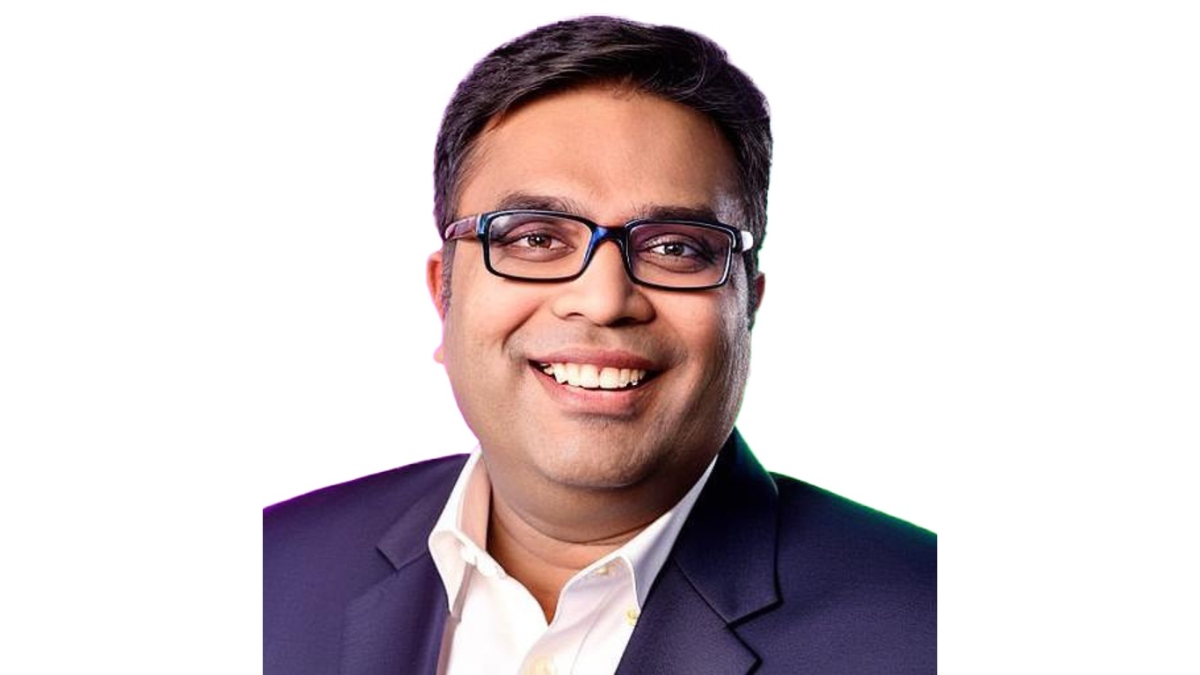
New Delhi [India], January 31: As we approach the Union Budget, the expectations from policymakers are higher than ever. The rapid advancements in technology, the push for digital transformation, and the global economic shifts have created an inflection point where strategic fiscal decisions can accelerate India’s growth trajectory.
One of the key areas to watch is the semiconductor and electronics sector, which is critical for India’s self-reliance and global competitiveness. With ongoing geopolitical shifts and supply chain disruptions, the government must focus on incentivizing domestic chip manufacturing, fostering R&D, and strengthening the existing semiconductor ecosystem. Programs such as the Design-Linked Incentive (DLI) and Production-Linked Incentive (PLI) schemes need further expansion and simplification to encourage global players to invest in India. The budget should also address challenges in skill development, ensuring that India’s workforce is ready for the next wave of semiconductor and AI-led transformation.
One of the key highlights of India’s AI journey has been the announcement of a new indigenous AI model in next 10 months, a milestone that reinforces the country’s commitment to digital transformation. This development aligns with global trends where AI is driving efficiencies across industries, from healthcare and finance to manufacturing and mobility.
To sustain this momentum, the government must introduce incentives and a structured policy framework, combined with tax incentives for AI-driven startups, can position India as a global leader in AI innovation. Moreover, investments in AI infrastructure—such as high-performance computing (HPC) clusters and national AI research hubs—will drive deeper integration of these technologies into core sectors, unlocking new efficiencies and capabilities.
Digital infrastructure remains another focal point. While India has made remarkable progress in digital payments, cloud adoption, and cybersecurity, there is still a pressing need to expand rural digital connectivity. Incentives for 5G adoption, edge computing, and data center expansion will be crucial to bridging the digital divide. The budget must also include measures to boost cloud-native and serverless computing adoption across enterprises, which will enhance efficiency and scalability for businesses of all sizes.
For the automotive and IoT sectors, the budget should focus on accelerating the adoption of electric vehicles (EVs) and smart mobility solutions. Reducing import duties on semiconductor components essential for EVs and connected cars can drive cost efficiencies. Additionally, increased funding for smart city projects will provide a boost to IoT-based applications in urban planning, traffic management, and public safety. A structured approach toward incentivizing software-defined vehicles (SDVs) and embedded system innovations will further strengthen India’s position in automotive R&D.
Startups and MSMEs are the backbone of India’s economy, and they require continued policy support. Simplifying tax compliance, increasing access to credit, and providing incentives for innovation-led entrepreneurship will fuel the next wave of economic expansion. A special focus on deep-tech startups, particularly those working in semiconductor design, AI, and quantum computing, will help build a sustainable technology ecosystem within the country.
Lastly, the importance of sustainability cannot be overlooked. The government must push for incentives that encourage green technology adoption, energy-efficient computing, and circular economy models in manufacturing. Given India’s ambitious net-zero goals, the budget should introduce tax benefits for companies investing in renewable energy, carbon-neutral operations, and responsible electronic waste management.
The upcoming budget must strike a balance between short-term economic recovery and long-term strategic investments. A forward-looking approach that fosters innovation, strengthens digital infrastructure, and enhances skill development will ensure that India not only keeps pace with global technology trends but emerges as a leader in the digital economy.
If you have any objection to this press release content, kindly contact pr.error.rectification@gmail.com to notify us. We will respond and rectify the situation in the next 24 hours.
