

New Delhi [India], May 14: Cancer care has changed dramatically over the last decade. As opposed to a “one-size-fits-all” approach, treatment today is at an exciting crossroads: precision oncology – therapy directed at the genetic profile of the tumor unique to each patient. We now attribute this change to two scientific developments: Next Generation Sequencing (NGS) and molecular biology.
As a medical oncologist with more than 15 years of clinical and academic experience, I have witnessed this shift in practice. These technologies are not only allowing us to understand cancer better, they are also changing how we diagnose, treat, and monitor cancer.
Next-Generation Sequencing: Mapping the Cancer Genome
NGS is a new technology that allows for very fast and comprehensive analysis of a cancer’s DNA. NGS recognizes genetic mutations (also recognized as “driver mutations”) that fuel tumor growth. More importantly, NGS reveals actionable mutations which can be targeted by specific drugs that often have better outcomes and fewer side effects than traditional chemotherapy.
For example, mutations in specific genes such as EGFR, BRAF, and ALK can be targeted by new oral therapies in lung, melanoma, and other cancers. NGS will support liquid biopsies that allow tumor DNA circulating in blood to be analyzed—providing a non-invasive way to monitor cancer in real time.
Additionally, NGS is crucial in predicting patients who may benefit from immunotherapy by determining markers like Tumor Mutational Burden (TMB), and Microsatellite Instability (MSI). These changes in assessment methodologies are redefining treatment paradigms, providing patients with hope where there was limited option previously.
Molecular Biology: Entering the “Why” of Mutation
While NGS indicates what mutations are present, molecular biology explains how these mutations affect the cancer cell. It examines the mechanisms of cancer growth, how cancer cells avoid treatments, and the pathways of potentially restoring harmony.
This more complete understanding has led to disruptive changes:
- Targeted therapies, such as EGFR inhibitors for lung cancer or BRAF targeted therapies for melanoma.
- Companion diagnostics, such as HER2 testing for breast cancer or the PD-L1 expression tests for lung cancer, now accepted standards before starting treatment.
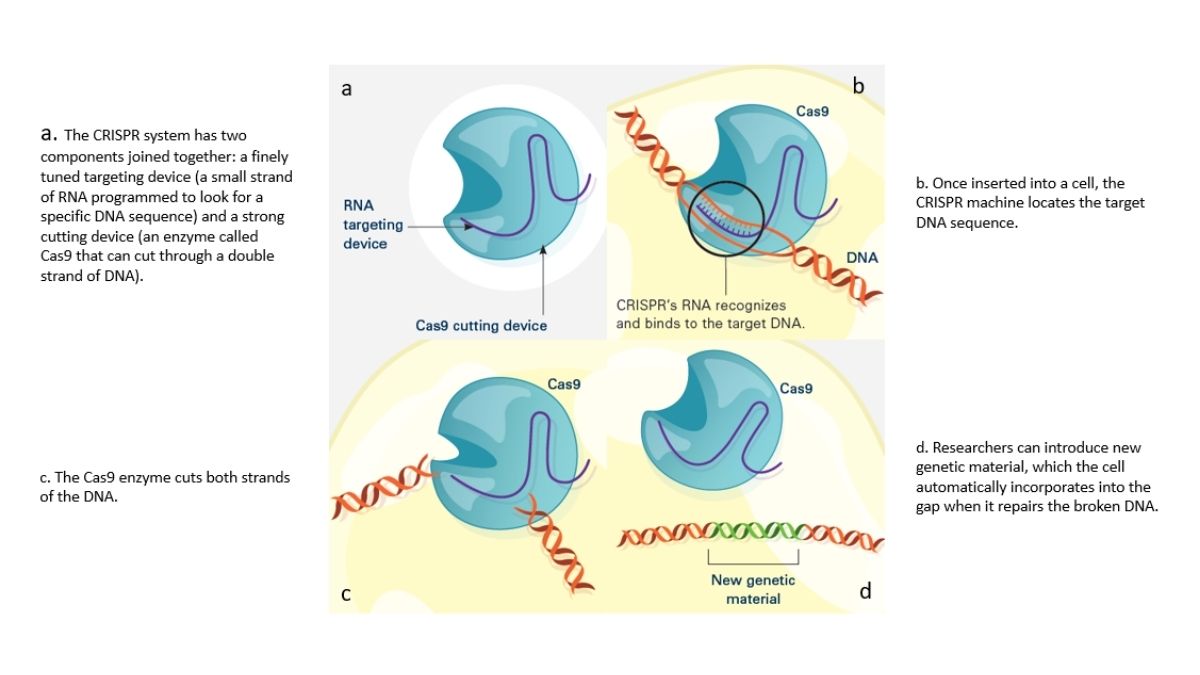
- Hereditary gene-editing like CRISPR, which may one day repair or silence cancer-causing mutations.
Molecular biology is the link between the discovery in the lab and what is done for the patient.
Bringing Genomics to the Masses: Obstacles in India
Despite the promise, many obstacles still exist, especially in a resource-limited setting like India:
- High costs of genomic testing for patients.
- NEED TO PRECISELY DESCRIBE the extent of access to NGS platforms in standard across regional hospitals and other smaller towns etc.
- Lack of genomic training of oncologists and pathologists has limited the ability of people to use it broadly clinically.
- Utilizing genomic data involves bio-informatic analysis, which remains a relatively new skill set in Indian health care.
So where so we begin? In India, we must focus on affordable, local data generation, and educating health care professionals. There are several roles for the Government and private sector in ensuring these new technologies are not limited to a few elite centers in the country.
A Call to Action: Toward Standardization of Precision Medicine
NGS and molecular biology are no longer the future, they are here. With the increasing cases and complexity of cancer, our approach should also evolve. By accepting these technologies, we can transition to a healthcare system that does not treat cancer based on location or size, but based on what it actually is–the biology of the tumor itself.
Precision oncology aims to provide better outcomes, fewer side effects, and real hope. However, we can only realize this potential if we standardize it and make it equitable. It must not only be accessible and affordable, but we must integrate Precision Medicine into standard care practices. Specifically, we must make it the standard of care across India, not just metro hospitals.
About the Author
Dr Varun Goel is a Senior Consultant Medical Oncology at Rajiv Gandhi Cancer Institute, New Delhi. He has over 15 years of experience in clinical and research and has authored more than 50 peer-reviewed publications. He is actively involved in DNB training, clinical trials and oncology education.
If you object to the content of this press release, please notify us at pr.error.rectification@gmail.com. We will respond and rectify the situation within 24 hours.
